Journal Publications Dr. Yunmei Liu Leads Human-Centered Evaluation of EMG-Based Prosthetic Control
IEEE Transactions on Human-Machine Systems, 2024
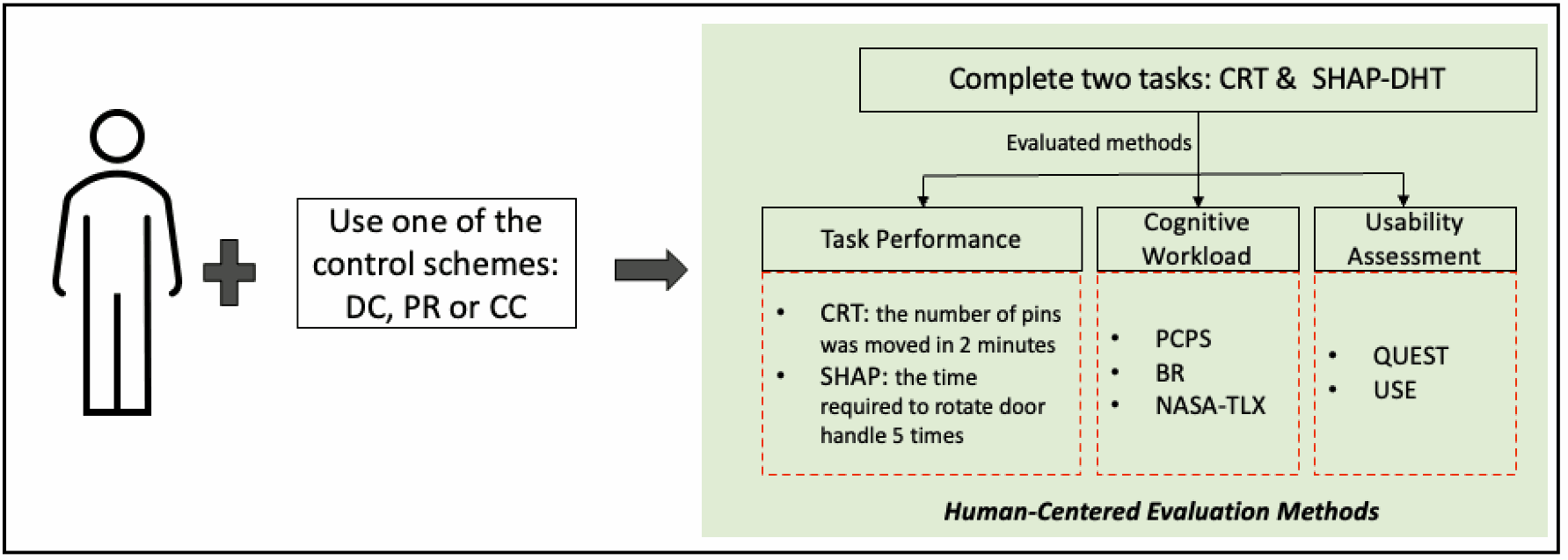
Dr. Yunmei Liu is the first author of “Human-Centered Evaluation of EMG-Based Upper-Limb Prosthetic Control Modes,” published online in IEEE Transactions on Human-Machine Systems on April 11, 2024. The collaborative research includes colleagues at the University of Florida, Texas A&M University, and North Carolina State University.
Evaluating Prosthetic Control Beyond Task Performance
The study compares direct control, pattern recognition, and continuous control through task performance, cognitive workload, and perceived usability. Thirty able-bodied participants completed two prosthetic-device tasks, allowing the team to examine how control-mode benefits vary with task requirements.
Pattern recognition outperformed direct control when the task required precise angle adjustments, while continuous control reduced cognitive workload relative to direct control across tasks. The findings underscore the importance of evaluating multiple tasks and multiple dimensions of user experience when designing prosthetic interfaces, rather than relying on a single performance measure.
This work offers evidence to inform human-centered prosthetic design and application, while motivating further evaluation with larger samples and different study designs.
Read the publication in IEEE Transactions on Human-Machine Systems