Ongoing Research Projects
Our research advances human-centered AI and adaptive systems that coordinate with people as their states, goals, and capabilities evolve.
Filter by topic Click a topic to explore, or choose All to see every project.
Transportation & Automated Driving
Understanding driver states and behavior to support adaptive automation, safer mixed traffic, and driver education.
Human–AI/Autonomy/Robot Teaming
Understanding how people interact and coordinate with AI assistants, autonomous systems, and robotic devices. We study human states, interfaces, and adaptive support to improve joint performance, learning, and user control.
Smart Manufacturing
Exploring human-centered applications of AI and virtual reality in modern manufacturing. Our current work develops immersive experiences for understanding manufacturing workflows and interacting with AI-supported systems.
Education & Workforce Development
Developing learning and training experiences through AI, virtual reality, and simulation. Our work spans STEM education, driver safety education, and skill development, with attention to learners at different levels of expertise and pathways into the workforce.
Rehabilitation Robotics & Assistive Technologies
Designing and evaluating intuitive prosthetic interfaces and training technologies that support human movement and rehabilitation.
Healthcare & Biomedical AI
Applying AI and human-centered research to biomedical signal modeling, neurological assessment, and patient-provider communication.
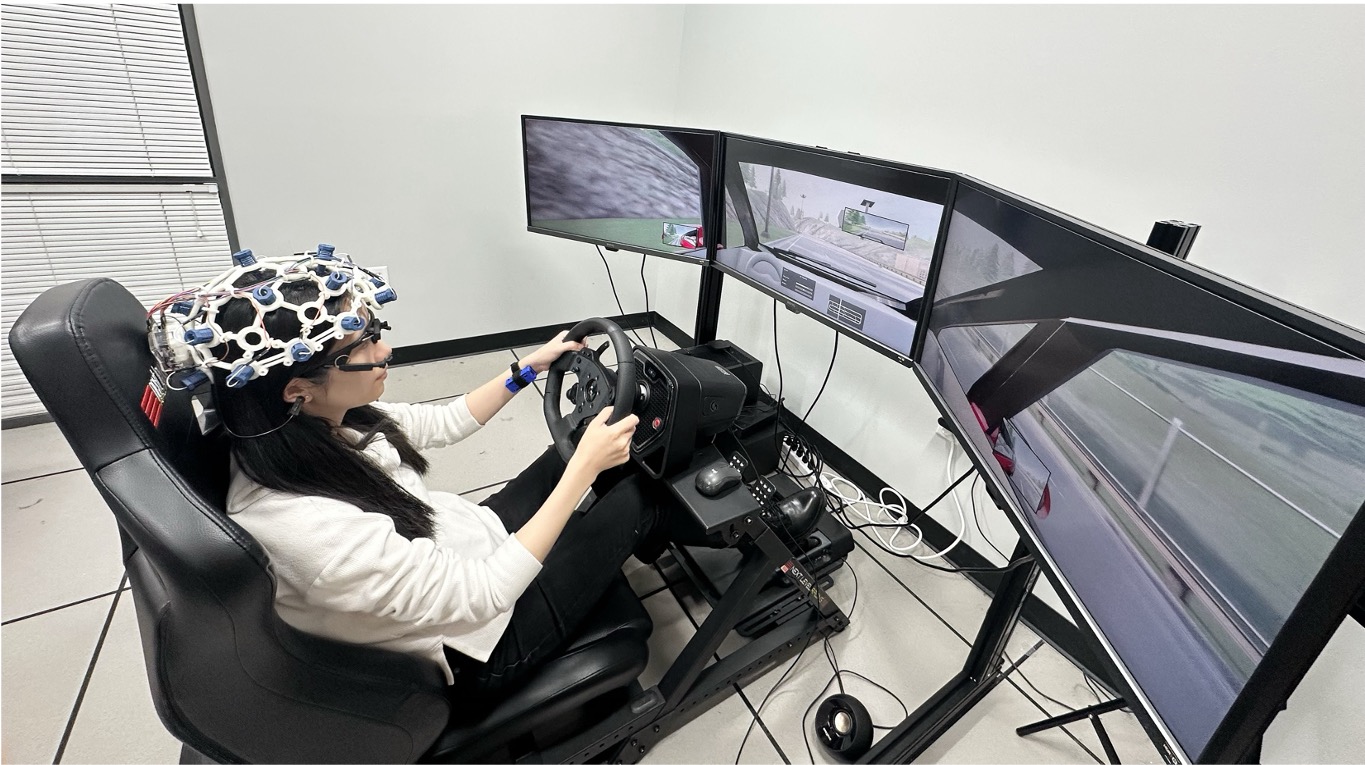
Funded ProjectCognitive-Emotional State Assessment for Adaptive Automation Intervention
This project aims to develop an integrated cognitive-emotional state assessment system to support real-time automation intervention and adaptive system design. By combining physiological sensing, behavioral performance data, and machine learning, the project aims to detect changes in human cognitive workload, emotional state, and task engagement during human-automation interaction.
The resulting models will help identify when and how automation should intervene, adapt, or provide support in order to improve safety. This work contributes to the design of human-centered automation systems that respond not only to task conditions, but also to the evolving cognitive and emotional states of the human operator.
WebsitePublications From This Project
- Das, U.*, Chowdhury, M. H.*, Liu, Y.†, and Kaber, D. (2025). A systematic review of ground-truth labeling and prediction for cognitive workload adaptive systems. International Conference on Applied Human Factors and Ergonomics.
- Chowdhury, M. H.*, Wang, S., and Liu, Y.† (2026). Mediation analysis of workload and emotion on the performance of supervision tasks. Proceedings of the Human Factors and Ergonomics Society Annual Meeting.
Prior Related Work: Wearable Sensing and Real-Time Human-State Prediction
- Liu, Y., Grimaldi, N., Basnet, N., Wozniak, D., Chen, E., Zahabi, M., Kaber, D. B., and Ruiz, J. (2024). Classifying cognitive workload using machine learning techniques and non-intrusive wearable devices. IEEE International Conference on Human-Machine Systems, pp. 1-6.
- Grimaldi, N., Liu, Y., McKendrick, R., Ruiz, J., and Kaber, D. B. (2024). Deep learning forecast of cognitive workload using fNIRS data. IEEE International Conference on Human-Machine Systems, pp. 1-6.
- Nadri, C., Liu, Y., Zahabi, M., Kaber, D. B., Ruiz, J., Middleton, M., and McKendrick, R. (2024). Analysis of pre-flight and monitoring tasks using cognitive performance modeling. International Conference on Applied Human Factors and Ergonomics.
- Grimaldi, N., Liu, Y., Kaber, D. B., and McKendrick, R. (2024). Deep learning forecast of perceptual load using fNIRS data. International Conference on Applied Human Factors and Ergonomics.
Prior Related Work: Adaptive Automation in Aviation
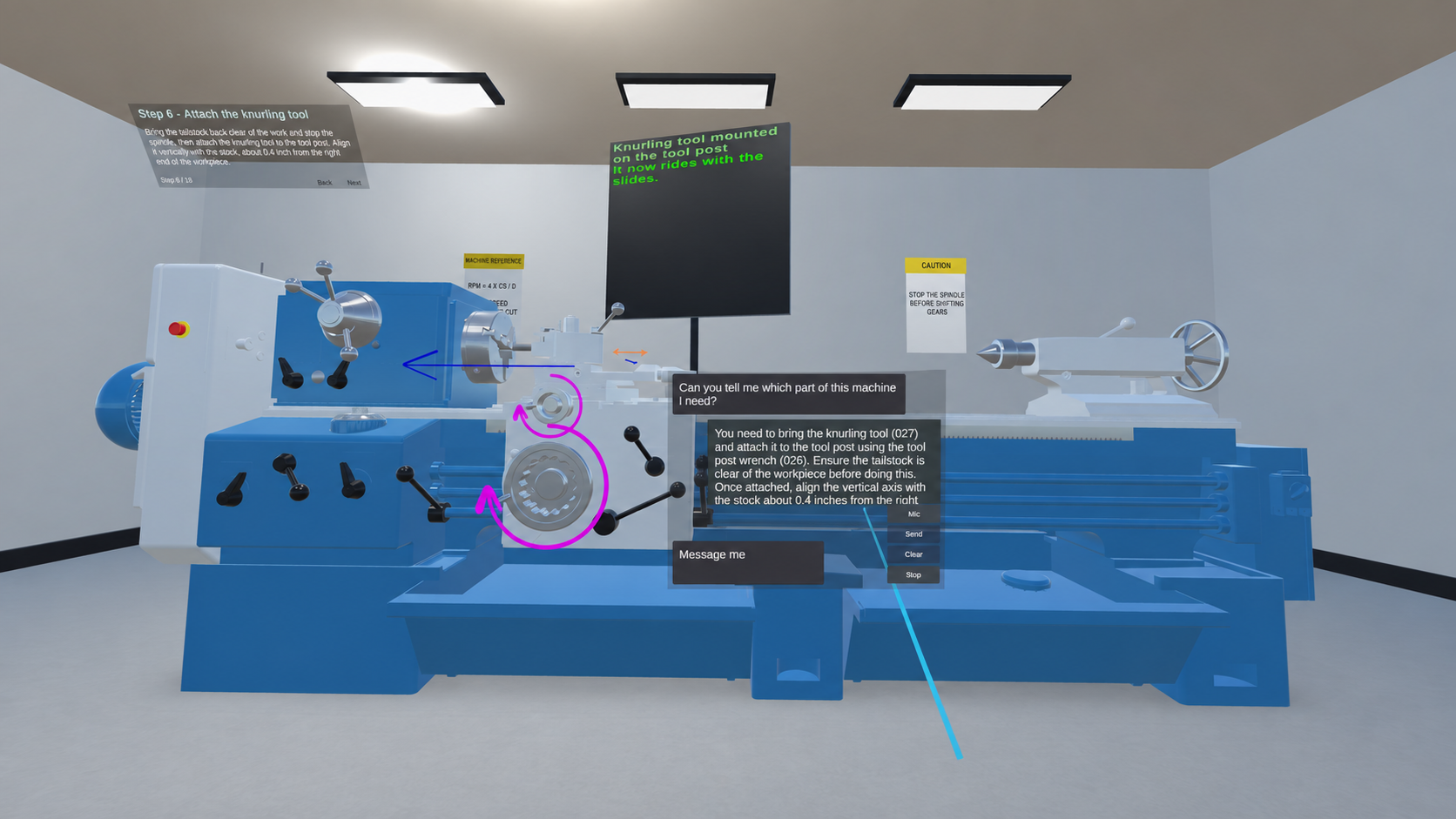
Funded ProjectAI-Enabled Virtual Reality Manufacturing Foundry
This NSF FINDERS FOUNDRY Planning project develops an AI-enabled virtual reality platform to help high school students explore modern manufacturing careers. The platform will provide safe, accessible, and authentic opportunities for students to learn manufacturing workflows, practice decision-making, and interact with a supportive AI mentor.
By making advanced manufacturing careers more visible and engaging, the project aims to strengthen students’ interest in manufacturing pathways and help them understand AI as a transparent learning support for feedback, reflection, and problem solving.
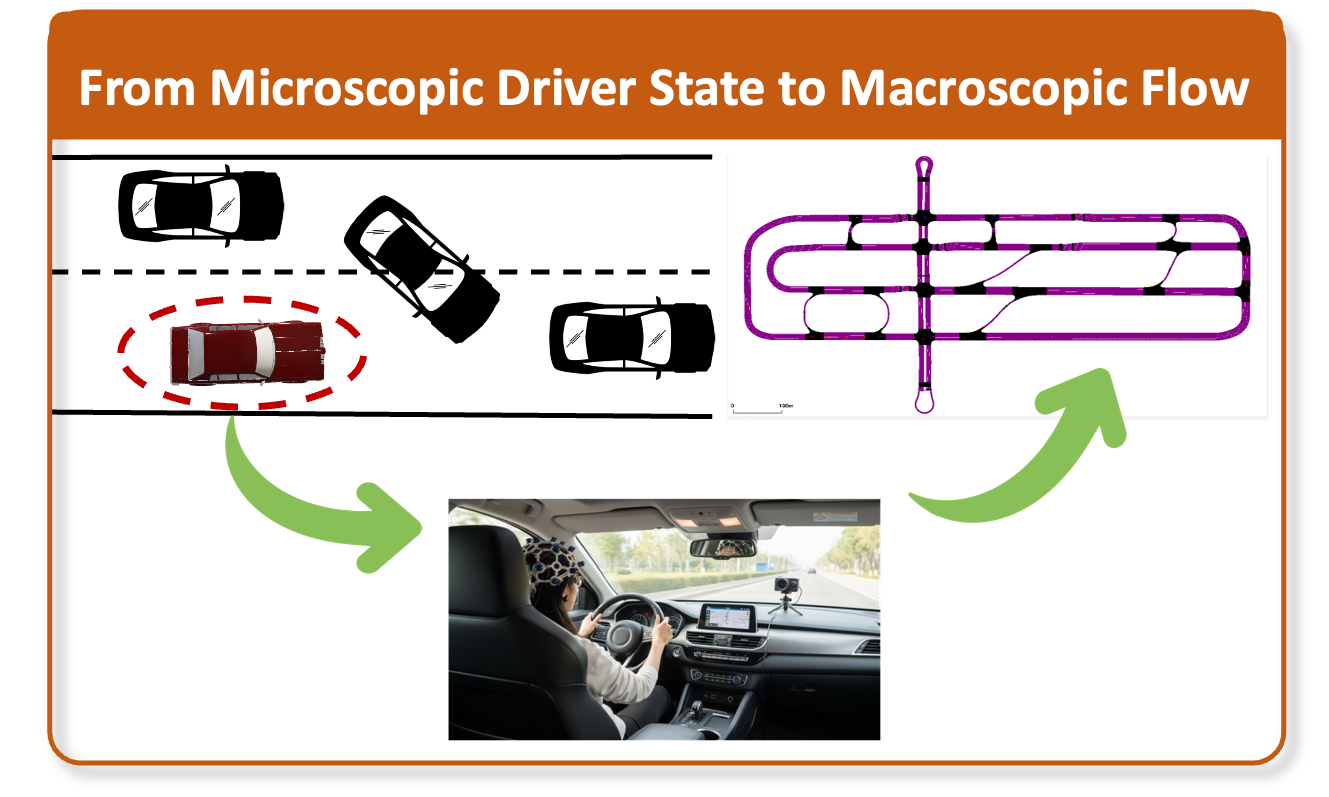
Funded ProjectAggressive Driving in Mixed Traffic
This project studies how aggressive driving behaviors in mixed human-AV traffic propagate from individual driver state and local maneuvers to traffic-flow safety and efficiency. The work combines CARLA-SUMO human-in-the-loop experiments, empirical human driver modeling, SUMO/TraCI traffic-flow simulation, and human-aware adaptive AV control to understand how surrounding AV aggressiveness and human driver aggressiveness shape workload, trust, stress, speed choice, braking, lane changes, congestion, and surrogate safety outcomes.
Presentation 1: HFES 2025Publications From This Project
- Das, U.*, Chen, Y.*, Chowdhury, M. H.*, and Liu, Y.† (2026). A vision-based multimodal framework for quantifying novice driver behavioral responses to aggressive overtaking in continuous simulator traffic. International Conference on Applied Human Factors and Ergonomics. Accepted.
- Chen, Y.*, Chowdhury, M. H.*, and Liu, Y.† (2026). From driver intent to road-user perception: a narrative and systematic review of perceived aggressive driving. International Conference on Applied Human Factors and Ergonomics. Accepted.
Prior Related Work: Driver Behavior Analysis
- Yang, G., Chase, R. T., Liu, Y., Pyo, K., Cunningham, C. M., and Kaber, D. B. (2026). Driver behavior analysis at alternative intersection corridors through driving simulator. Accident Analysis & Prevention.
- Liu, Y., Kaber, D. B., Cunningham, C. M., Chase, R. T., and Pyo, K. (2024). Analysis of driver behavior at grade-separated intersections to support design. Applied Ergonomics.
Prior Related Work: Human Behavior Modeling
- Liu, Y. and Kaber, D. B. (2025). Models of automation proportion in human-in-the-loop systems and operator situation awareness responses. Ergonomics.
- Liu, Y. and Kaber, D. B. (2021). Quantitative models for automation rate and situation awareness response: a case study of levels of driving automation. IEEE International Conference on Human-Machine Systems.
Video Demo
This demo illustrates a representative aggressive-overtaking scenario in continuous mixed-traffic simulation and demonstrates the behavioral responses detected using our vision-based multimodal framework. It accompanies the study: Das, U.*, Chen, Y.*, Chowdhury, M. H.*, and Liu, Y.† (2026), “A Vision-Based Multimodal Framework for Quantifying Novice Driver Behavioral Responses to Aggressive Overtaking in Continuous Simulator Traffic,” International Conference on Applied Human Factors and Ergonomics (AHFE), accepted.
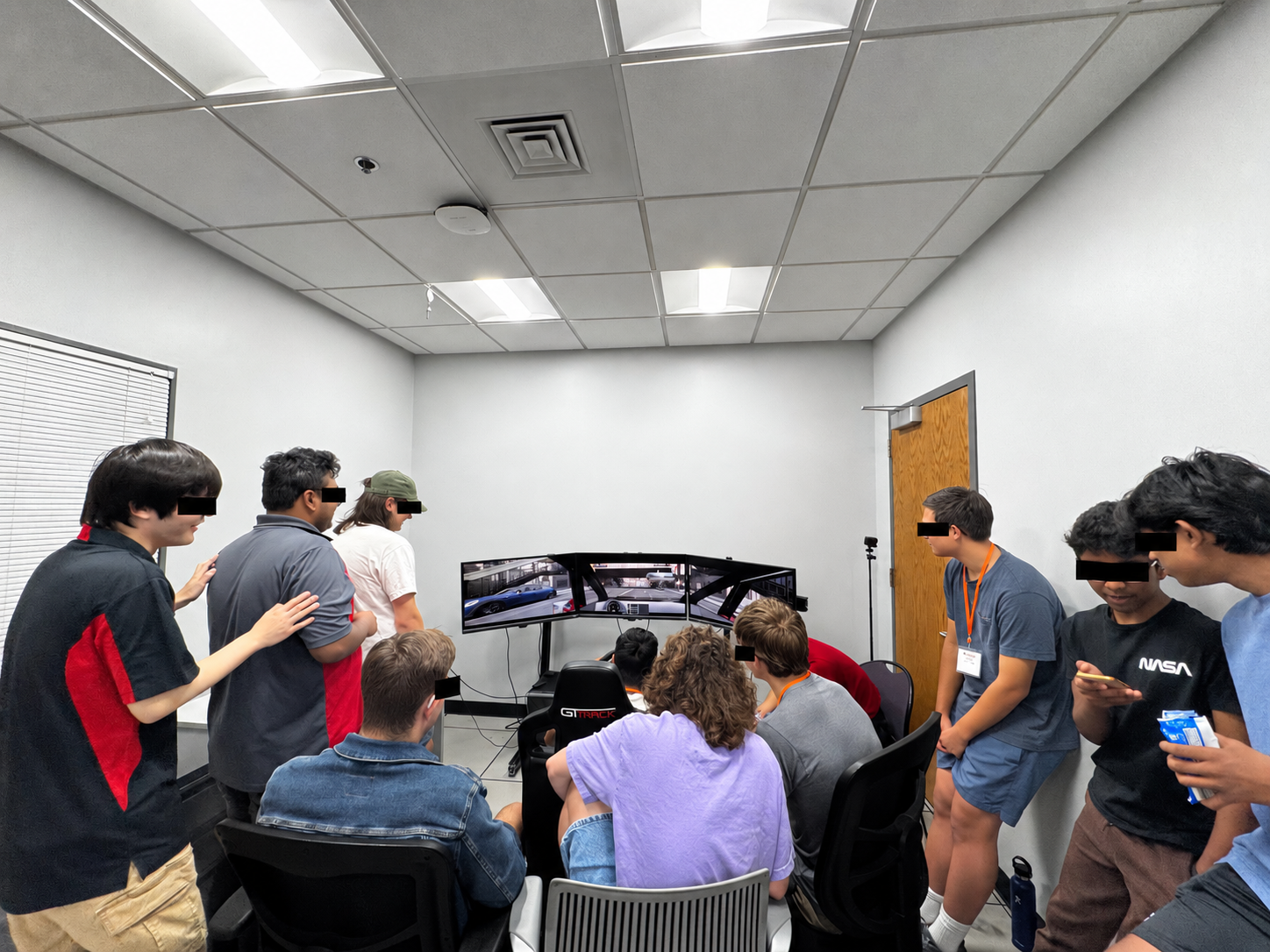
Funded ProjectTeen Driver Safety Education
This project develops a simulator-ready curriculum package to support teen driver safety education in Kentucky high schools. The work will align teacher lesson plans, student materials, classroom debriefs, and an interactive driving scenario with KYTC and KOHS safety messaging on distracted driving and aggressive driving.
The project will integrate a classroom rotation model, driving-log feedback on behaviors such as speed choice, following distance, braking, and hazard response, and an optional wearable-sensor component that provides a student-friendly driver-state snapshot. A classroom pilot will assess the module's feasibility and learning value before the final toolkit is delivered for use by educators and transportation safety partners.
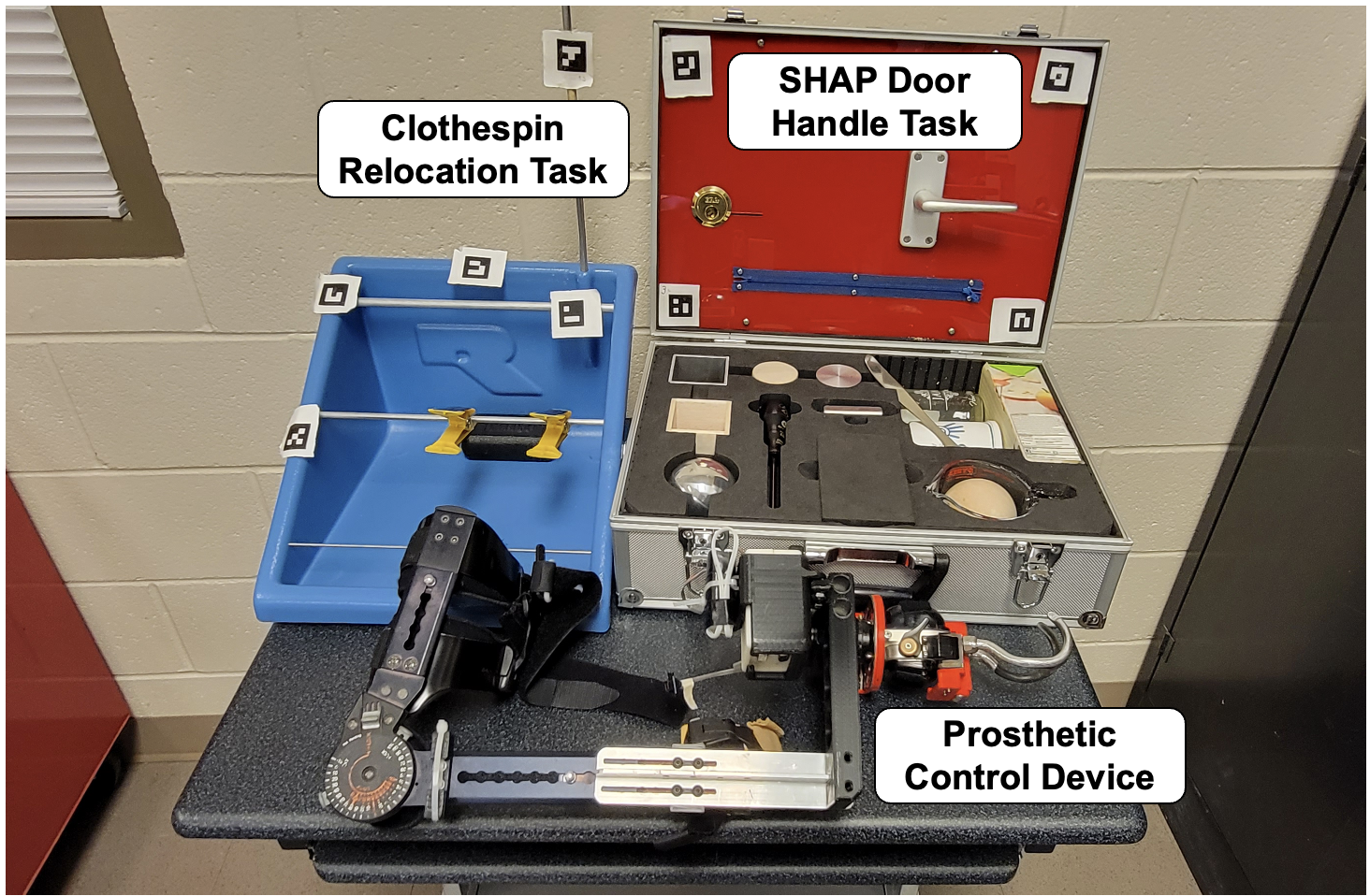
Human-Centered Design for Natural Upper-Limb Prosthetic Control
This project focuses on advancing upper-limb prosthetic control from conventional control modes toward more natural and intuitive control. Our prior work compared alternative prosthetic control strategies, generated workload and usability evidence for early-stage design, and examined VR as a scalable platform for testing prosthetic manipulation tasks before full physical-device deployment. Together, these studies provide human-centered design guidance for selecting and refining prosthetic control interfaces that better align with users’ movement intentions, improve performance, reduce workload, and support rehabilitation training.
Prior Related Work: Upper-Limb Prosthetic Control
- Liu, Y., Park, J., Delgado, D., Music, A., Berman, J., Ruiz, J., Kaber, D. B., Huang, H., and Zahabi, M. (2026). Virtual reality as a platform for upper-limb prosthetic control training and early-stage design. IEEE Transactions on Neural Systems and Rehabilitation Engineering.
- Liu, Y., Berman, J., Dodson, A., Park, J., Zahabi, M., Huang, H., Ruiz, J., and Kaber, D. (2024). Human-centered evaluation of EMG-based upper-limb prosthetic control modes. IEEE Transactions on Human-Machine Systems.
- Park, J., Berman, J., Dodson, A., Liu, Y., Armstrong, M., Huang, H., Kaber, D. B., Ruiz, J., and Zahabi, M. (2023). Assessing workload in using electromyography (EMG)-based prostheses. Ergonomics.
- Park, J., Music, A., Daniel, D., Berman, J., Dodson, A., Liu, Y., Ruiz, J., Huang, H., Kaber, D., and Zahabi, M. (2023). Cognitive workload and usability of virtual reality simulation for prosthesis training. IEEE International Conference on Systems, Man, and Cybernetics, pp. 1567-1572.
- Park, J., Berman, J., Dodson, A., Liu, Y., Armstrong, M., Huang, H., Kaber, D., Ruiz, J., and Zahabi, M. (2022). Cognitive workload classification of upper-limb prosthetic devices. IEEE International Conference on Human-Machine Systems, pp. 1-6.
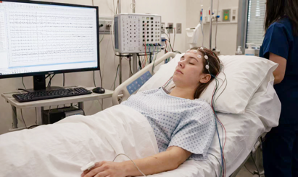
AI-Driven Scalp EEG Modeling for Seizure Detection and Signal Enhancement
We develop AI methods that transform multichannel scalp EEG into spatial, visual, and geometry-aware representations for neurological condition detection. This work supports robust seizure detection, EEG spatial super-resolution, and reliable biomedical signal modeling for real-time and clinically meaningful assessment.
Publications From This Project
- Chen, Y., Peng, J., Chowdhury, M. H., Chen, T., and Liu, Y. (2026). NeuroCanvas: VLLM-powered robust seizure detection by reformulating multichannel EEG as image. arXiv preprint arXiv:2602.04769.
- Yao, L., Zhang, G., Chowdhury, M., Liu, Y., and Chen, T. (2026). Geometry- and relation-aware diffusion for EEG super-resolution. arXiv preprint arXiv:2602.02238.
Prior Related Work: Biomedical Signal Modeling
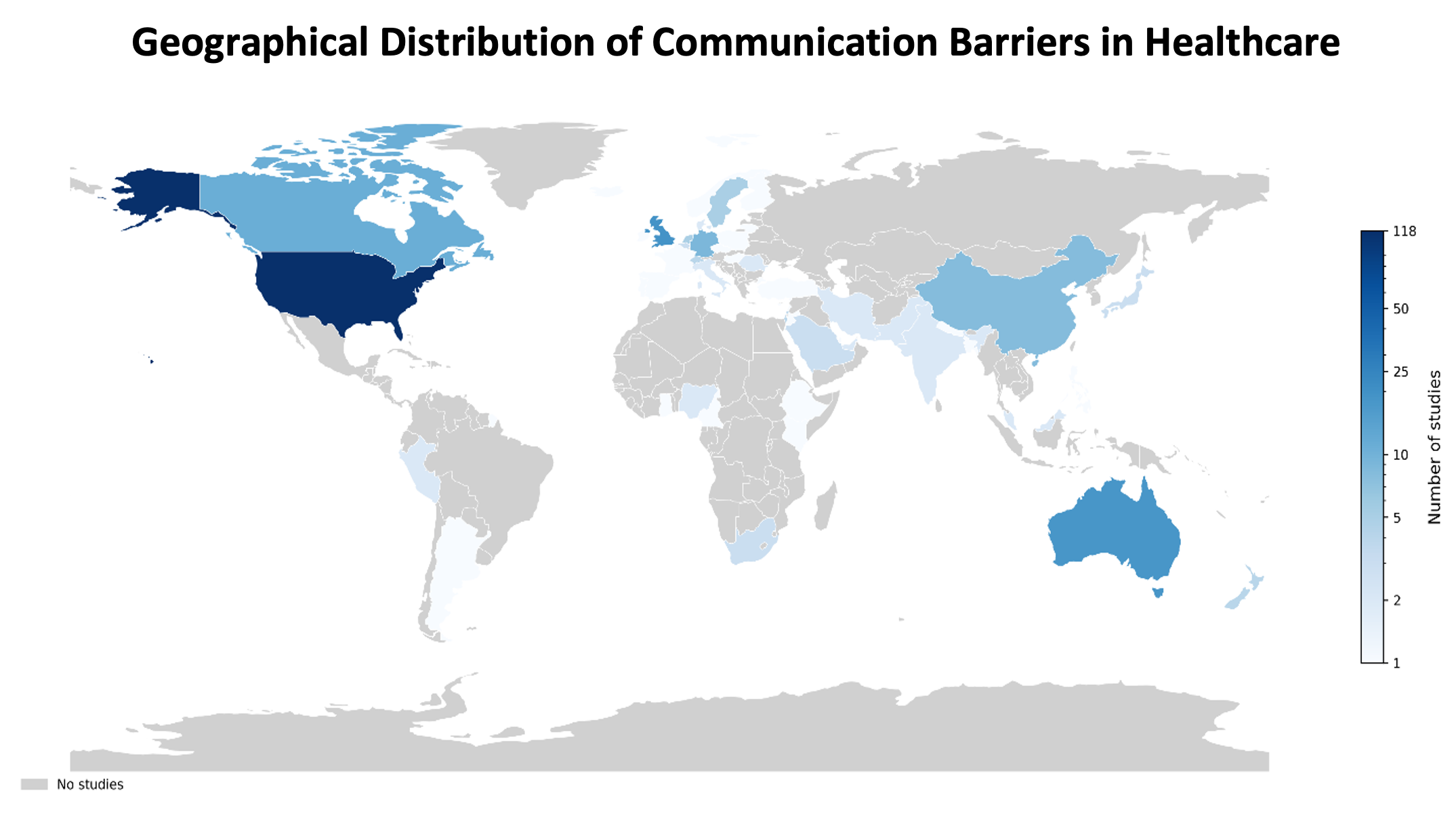
Communication Barriers in Patient-Provider Interactions
This project examines how communication barriers disrupt patient-provider communication and affect patient experience, clinical decision-making, health outcomes, and healthcare system efficiency. Building on a scoping review of patient-provider communication studies, the work maps how barriers intersect and identifies intervention opportunities including interpreter services, cultural and empathy training, plain-language and visual supports, AI-enabled translation and chatbot tools, clinical note-taking agents, and wearable or remote-monitoring technologies. The goal is to inform adaptive, patient-centered communication systems that combine AI support with real-time human-state and context awareness.
Research-Related News
View all newsShowing all 21 news items.


Dr. Yunmei Liu Leads Human-Centered Evaluation of EMG-Based Prosthetic Control
A first-author study compares EMG-based prosthetic control modes through user performance, cognitive workload, and usability, informing human-centered prosthetic design.
Dr. Yunmei Liu Leads Study Connecting Driver Workload and Situation Awareness to Intersection Design
A first-author driving-simulator study links driver workload, situation awareness, and vehicle-control behavior to grade-separated intersection and signage design.
Dr. Yunmei Liu Co-Authors Study on UAV Interface Design for Managing Cognitive Workload
A collaborative study shows how interface designs guided by the Modified GEDIS-UAV tool can help manage operator cognitive workload, informing human-centered UAV interface development.
Dr. Yunmei Liu Receives the NSF Award as Lead PI
Dr. Yunmei Liu received the National Science Foundation award as Lead PI for a three-year, $600,000 collaborative project on cognitive-emotional state assessment and adaptive automation for advanced driving systems.
MINDxAI Lab Presents Across Transportation and Healthcare Tracks at ASPIRE HFES 2025
MINDxAI Lab presented one lecture and two posters at ASPIRE HFES 2025 across the Surface Transportation and Healthcare tracks.
MINDxAI Lab Shares First NSF EDSE Project Paper at AHFE 2025
MINDxAI Lab presented the first paper from its NSF EDSE project at the Applied Human Factors and Ergonomics International Conference 2025.
Dr. Yunmei Liu Advances Quantitative Modeling of Automation and Situation Awareness
A first-author Ergonomics paper introduces a continuous measure of automation proportion and a mathematical situation-awareness response model to inform human–automation system design.
Dr. Yunmei Liu Leads Study on Virtual Reality for Prosthetic Control Evaluation
A first-author paper by Dr. Yunmei Liu evaluates virtual reality as a platform for comparing prosthetic control modes and informing early-stage design.
MINDxAI Lab Presents Two Posters at TRB Annual Meeting 2026
MINDxAI Lab research on human factors, autonomous driving, and transportation safety was featured in two poster presentations at the Transportation Research Board Annual Meeting 2026.
Dr. Yunmei Liu Co-Authors Study on Driver Behavior at Alternative Intersections
An NCDOT-supported collaboration with ITRE examines driver behavior along alternative intersection corridors to inform safer, more effective roadway design.
Our Master’s Student Udit Kumar Das Receives Graduate Student Council Research Grant
UUdit Kumar Das received a $750 research grant from the University of Louisville Graduate Student Council to support his master’s thesis research on novice drivers under aggressive driving conditions.
Our Collaborative Research on Human–Autonomy Teaming Presented at the NSF M3X PI Meeting
Dr. Yunmei Liu was invited to attend the NSF M3X PI Meeting, where the MINDxAI Lab shared collaborative work on human-autonomy teaming with Oregon State University and the University of Florida.
Dr. Yunmei Liu Receives Internal Jon Rieger Seed Grant as PI
Dr. Yunmei Liu received an internal Jon Rieger Seed Grant at the University of Louisville to support the MINDxAI Lab's Transportation and Automated Driving research on aggressive driving in mixed human-AV traffic.
MINDxAI Lab Presents Ongoing Research at the NSF EPSCoR Midwest Summit
Dr. Yunmei Liu presented the MINDxAI Lab's ongoing research at the NSF EPSCoR Midwest Summit and exchanged ideas with NSF program directors, awardees, and faculty members.
Dr. Yunmei Liu Receives NSF FINDERS FOUNDRY Planning Award as PI
The MINDxAI Lab received an NSF FINDERS FOUNDRY Planning Award to develop an AI-enabled virtual reality learning experience for high school manufacturing education.
Dr. Yunmei Liu Receives NSF REU Supplement for EDSE Project
Dr. Yunmei Liu received an NSF Research Experiences for Undergraduates supplement to support one undergraduate researcher in the MINDxAI Lab’s ongoing CMMI project on cognitive-emotional state assessment for advanced driving systems.
MINDxAI Lab’s Student-Led JMIR Review Integrates Patient-Provider Communication Barriers
Led by PhD student Moajjem Hossain Chowdhury, a scoping review of 253 empirical studies integrates four types of communication barriers to inform future healthcare interventions and adaptive support.
Dr. Yunmei Liu Receives NHTSA Grant from KYTC as PI
Dr. Yunmei Liu received a National Highway Traffic Safety Administration (NHTSA) grant from Kentucky Transportation Cabinet (KYTC) for a one-year University of Louisville teen driver safety education project, with Robert Kluger serving as Co-PI.
Dr. Yunmei Liu Delivers Invited Seminar for the HFES Surface Transportation Technical Group
Dr. Yunmei Liu delivered an invited seminar for HFES STTG on human responses in mixed traffic, highlighting research on automation, surrounding automated-vehicle behavior, and human internal states.
Dr. Yunmei Liu Co-Authors Study on Cognitive Workload in Procedural Tasks
Dr. Yunmei Liu co-authors a Human Factors study examining how task disruptions and time pressure shape cognitive workload over time.
Multilevel Mediation Analysis Quantifies Workload and Emotion Pathways to Supervision Performance
A new MINDxAI Lab paper quantifies the direct and statistical mediation pathways from task demands through workload and emotion to supervision performance.