Journal Publications Dr. Yunmei Liu Co-Authors Study on Cognitive Workload in Procedural Tasks
Human Factors, 2026
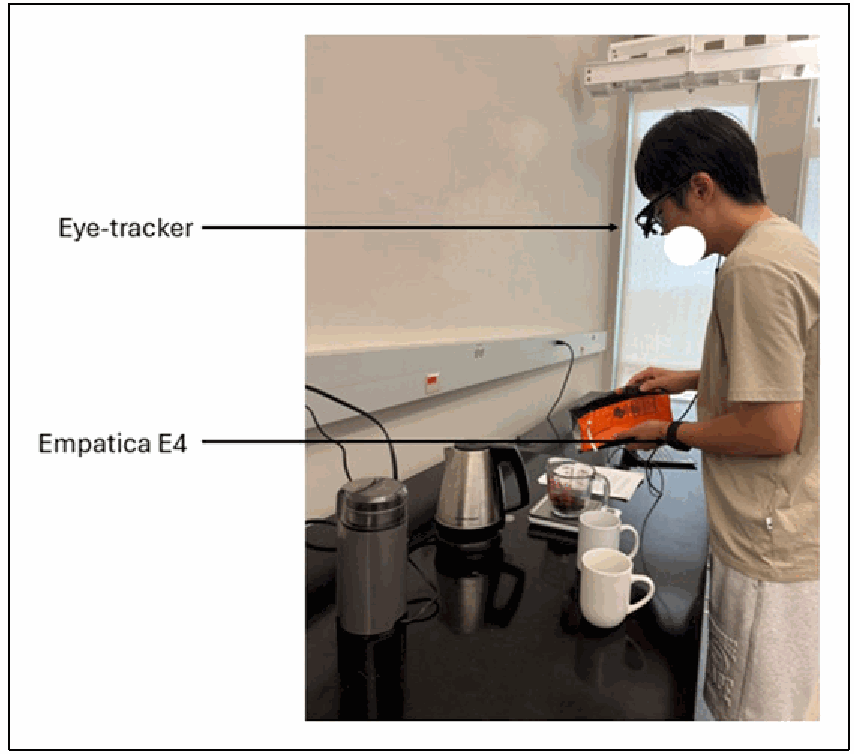
Dr. Yunmei Liu is a co-author of “Cognitive Workload Assessment in Procedural Tasks,” published online in Human Factors on September 2, 2026. The collaborative paper is first-authored by Niosh Basnet.
Understanding Workload as Tasks Unfold
The study examined 30 participants completing cooking tasks under routine conditions and conditions involving disruptions and time pressure. Researchers combined self-reported workload with eye and skin-conductance measures to examine how demands changed during the tasks.
Individual disruptions could produce brief increases in workload, while accumulating anomalies could sustain higher demands. The physiological measures differed in their sensitivity, with blink rate providing a useful indicator in this task setting. These findings can inform assistance that responds to both immediate difficulties and the cumulative demands of procedural work.